Individual portraits [page in progress]


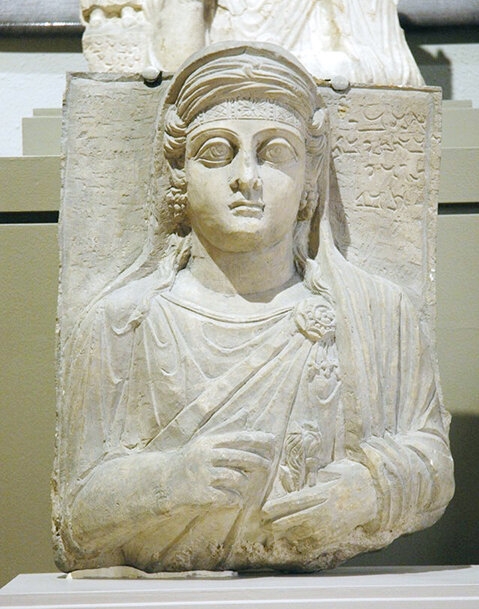
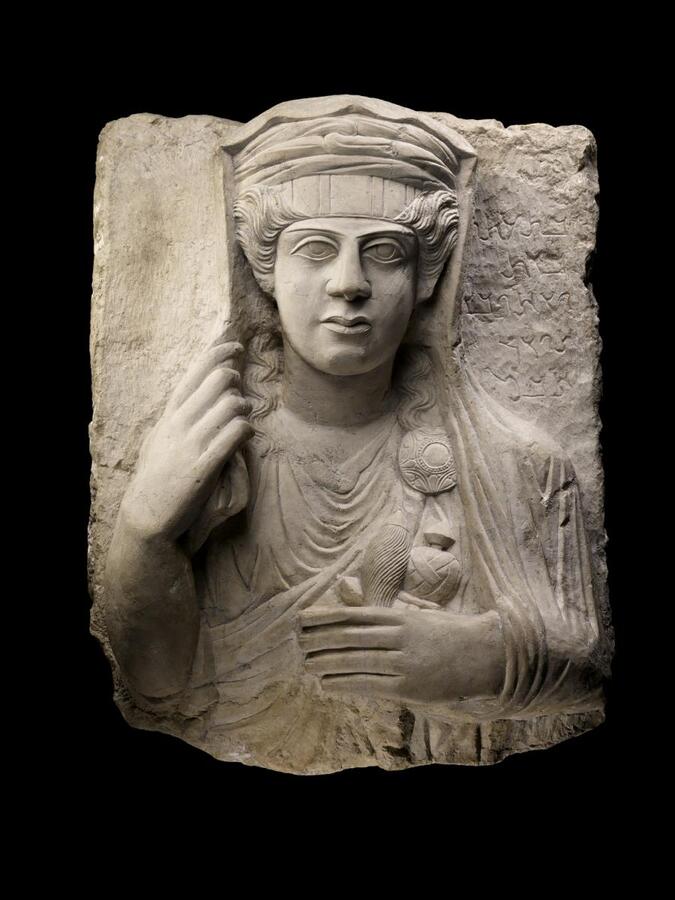
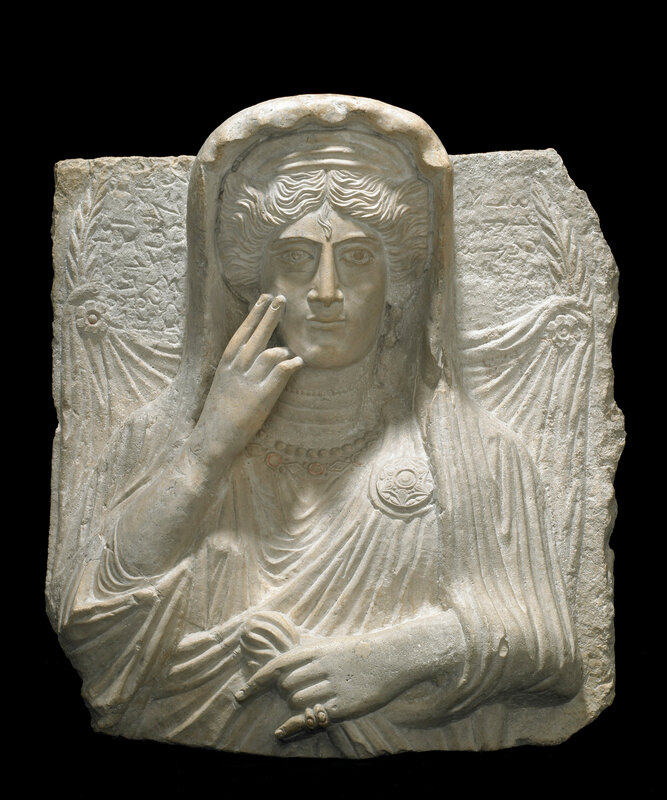
|平山郁夫シルクロードコレクション-750x1000.png)
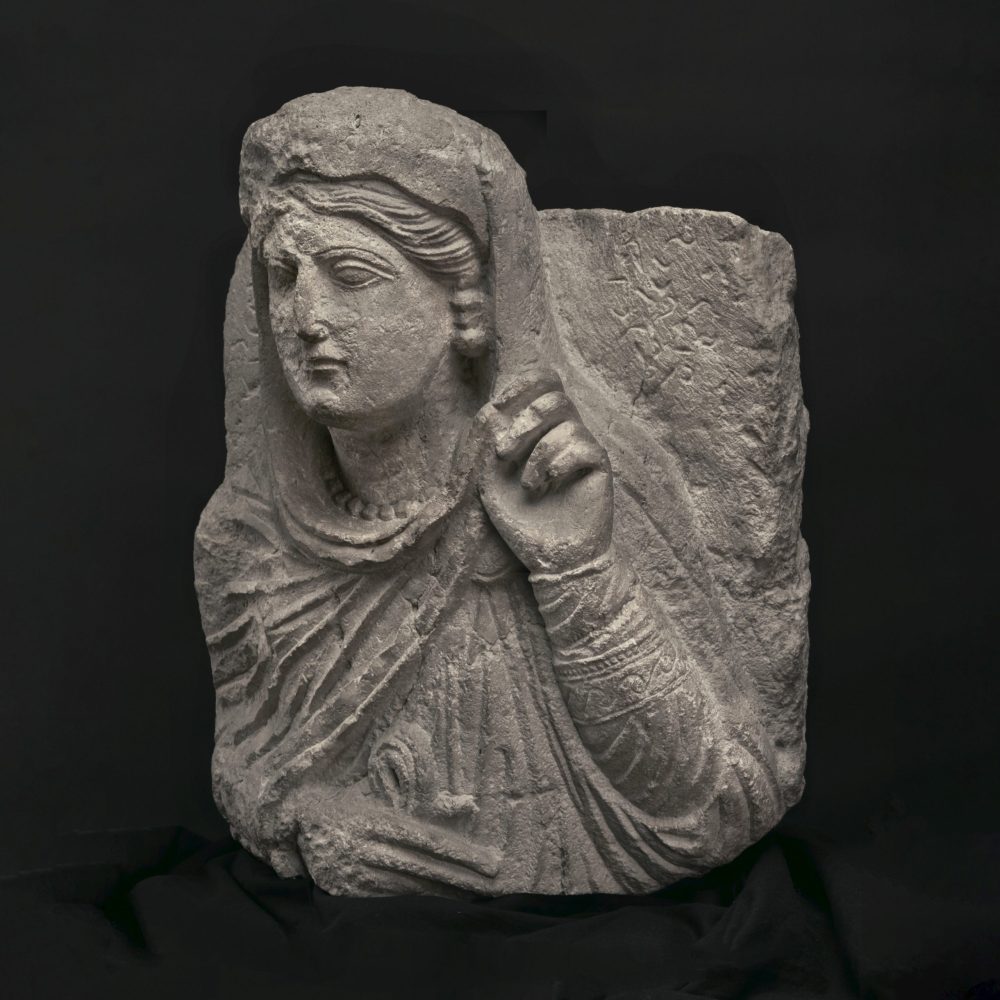
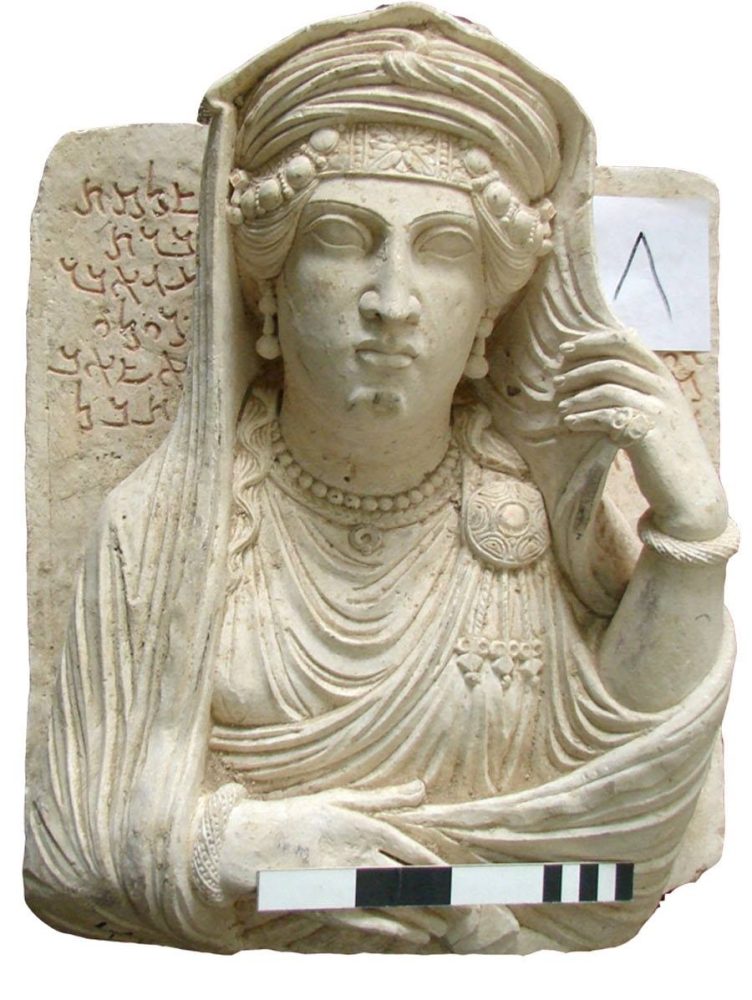
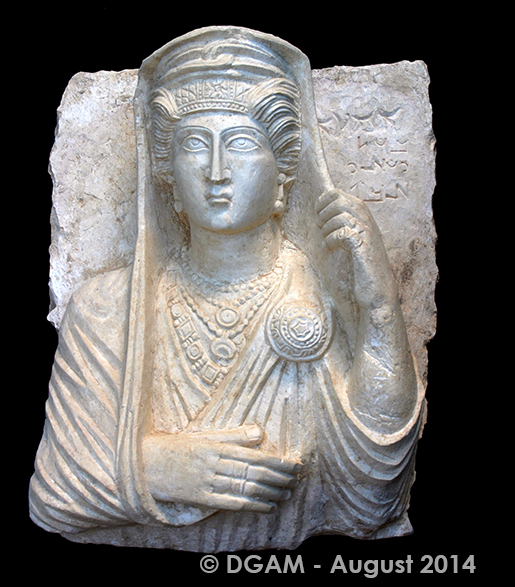
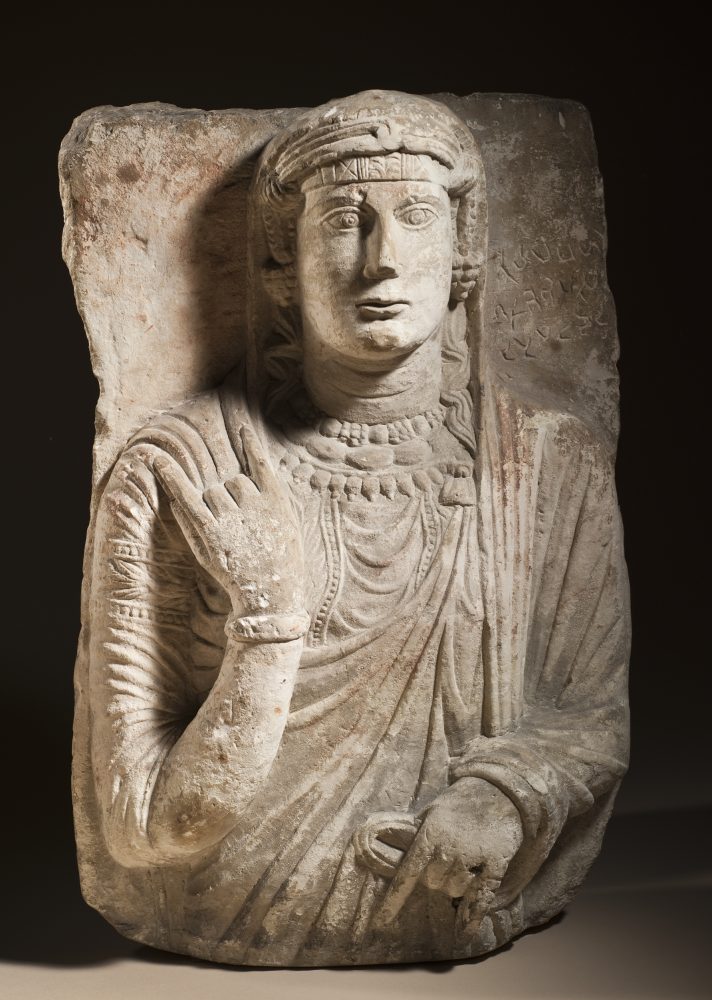
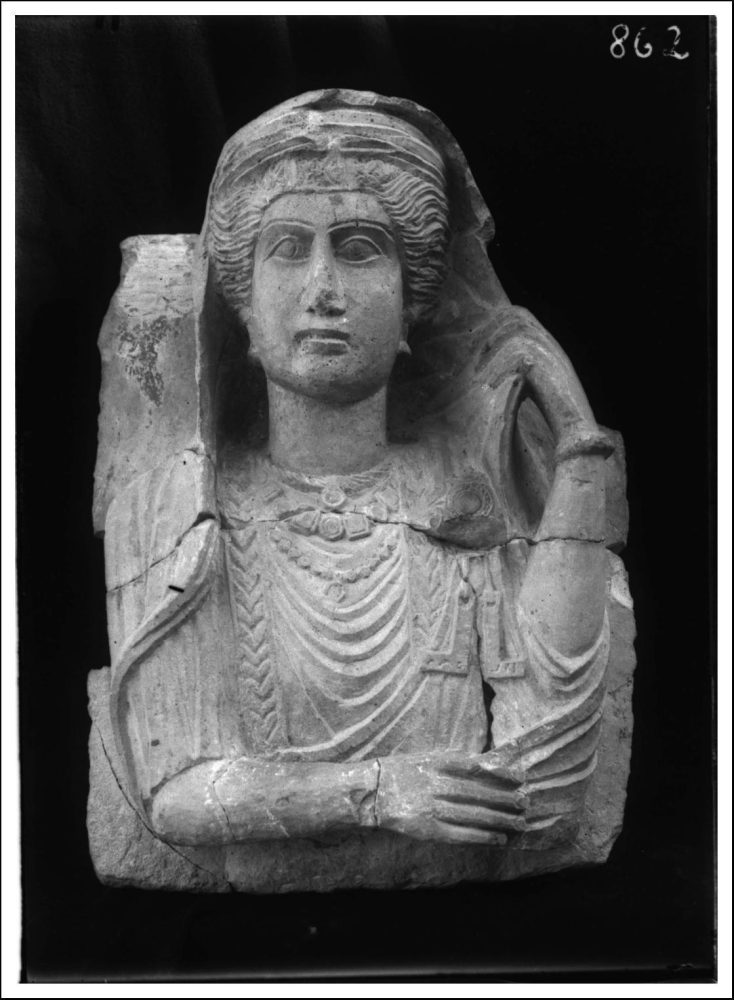
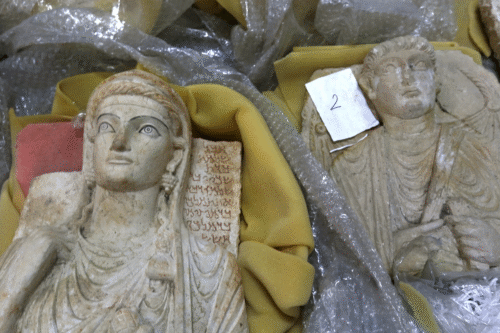
https://english.alarabiya.net/News/middle-east/2015/08/27/FBI-warns-U-S-art-dealers-about-antiquities-looted-from-Syria-Iraq
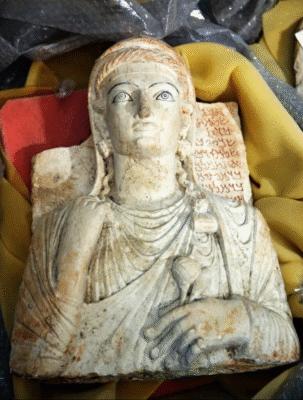
https://www.euronews.com/culture/2025/01/27/experts-gather-in-rome-to-form-special-taskforce-to-protect-syrias-cultural-heritage
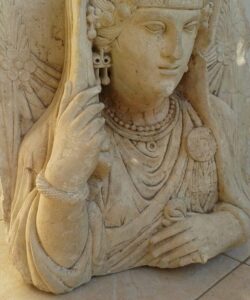
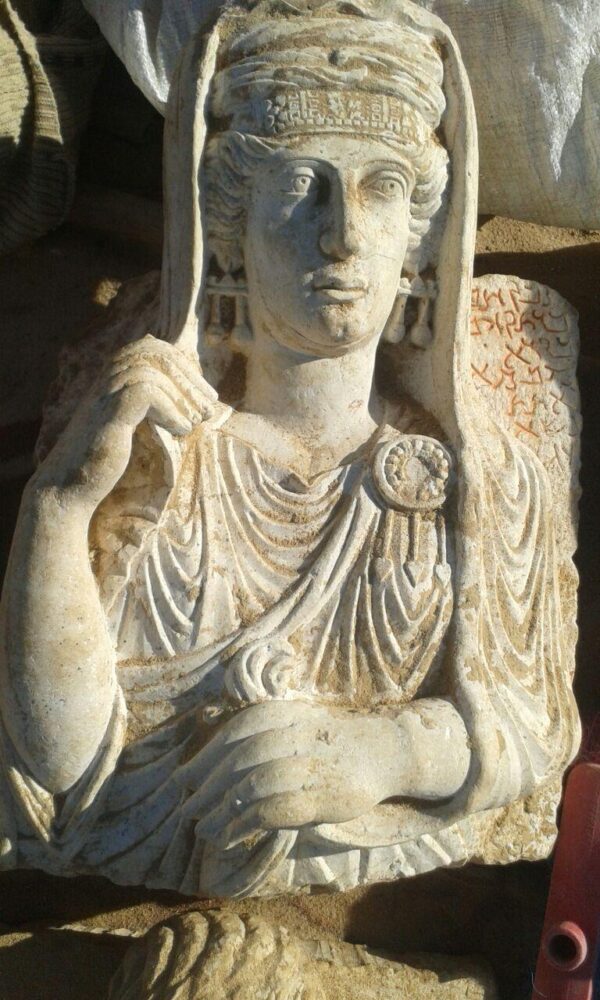

SOURCE
A Report on the Confiscation of Looted Palmyrene Funerary Reliefs in Idlib by simat2017 | Jun 11, 2020
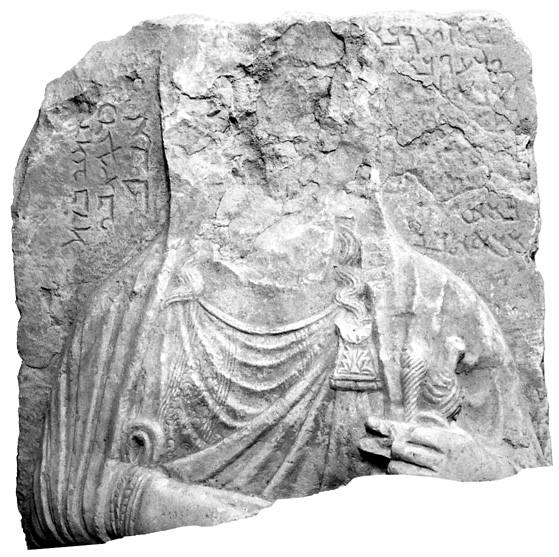
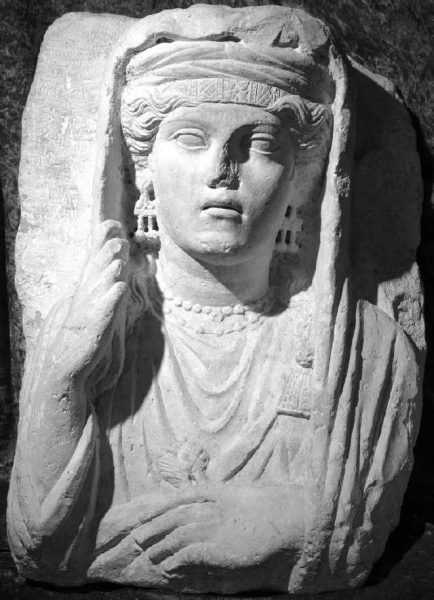
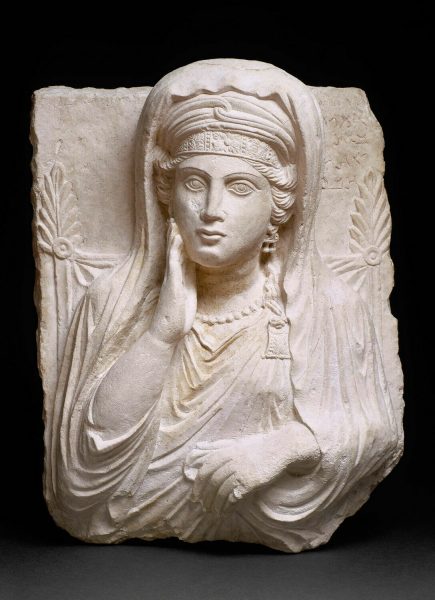
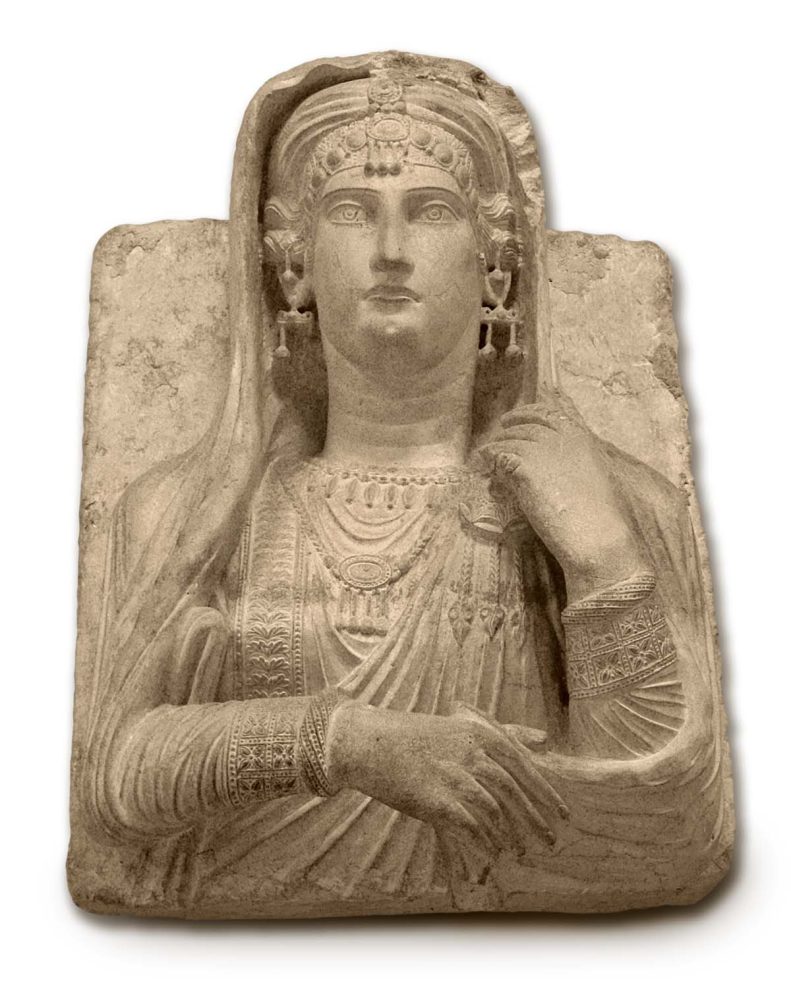
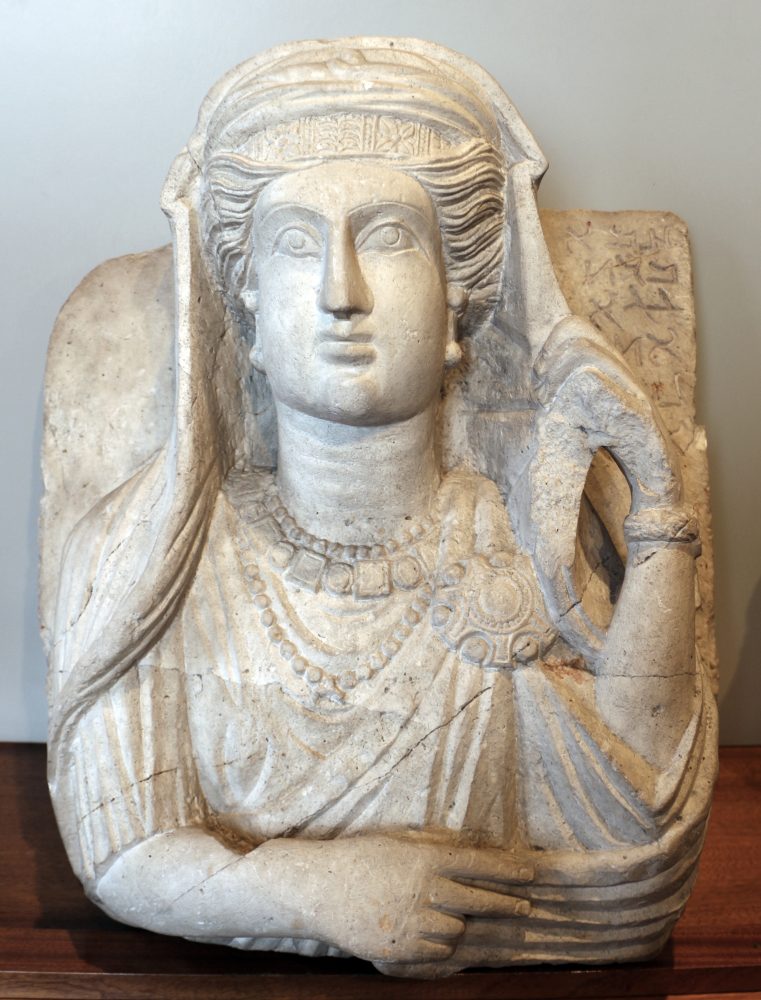
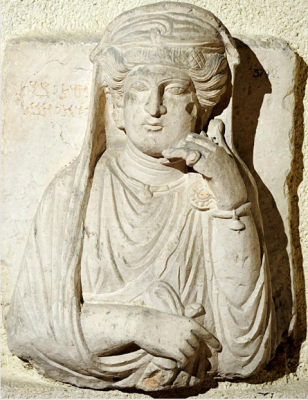
Limestone; 0.54 × 0.46 × 0.25 m
Originally from Palmyra but no further information about its find spot or date.
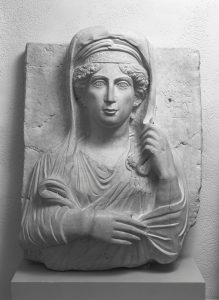
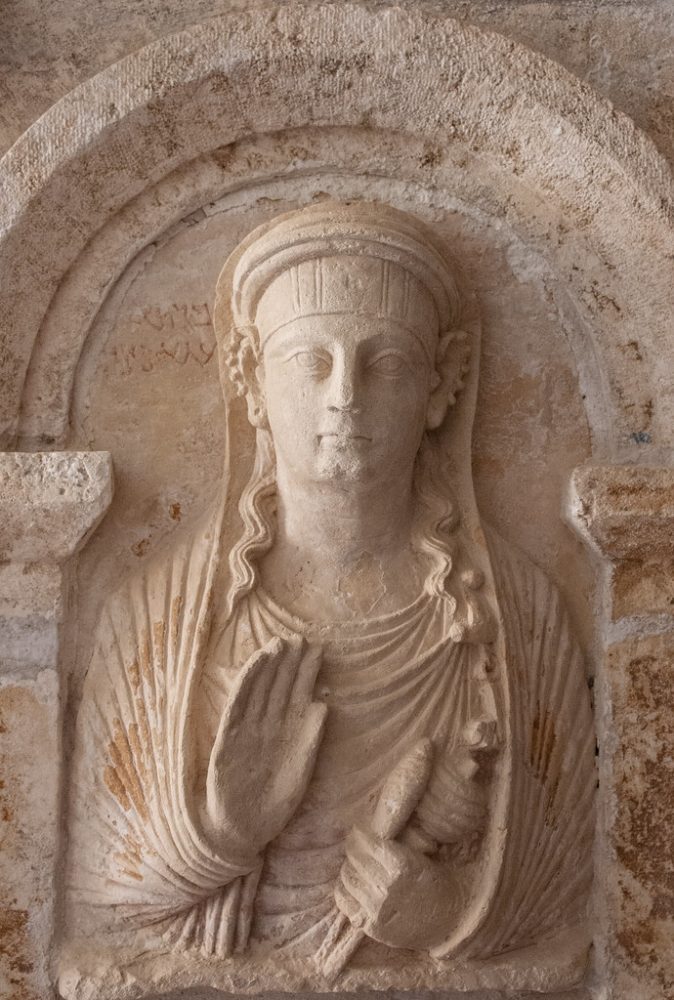
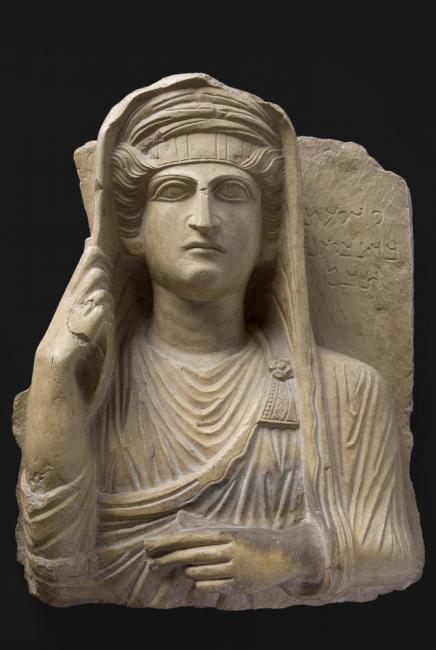
Inscription in Aramaic: “Ra’ Ta, daughter of Hairan, (son of) Taibal, Alas!”; 150 CE

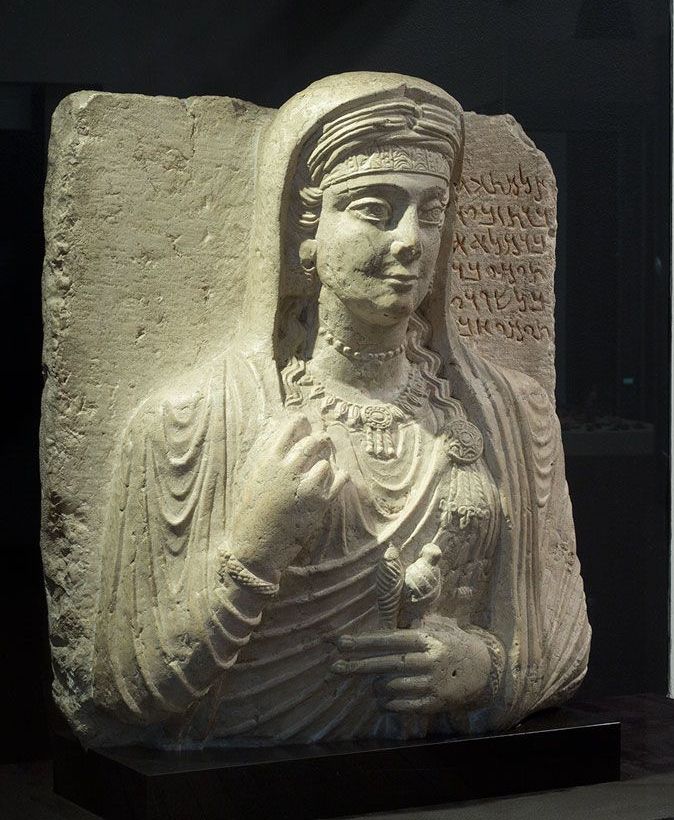
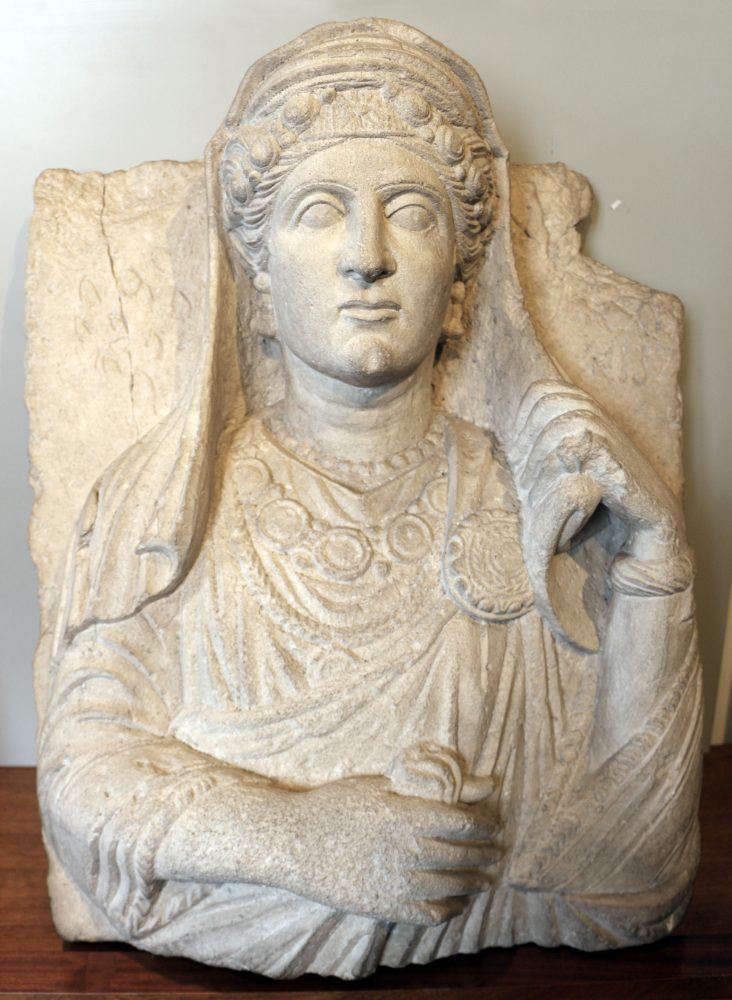
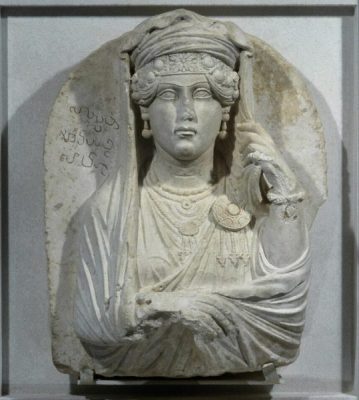
Funerary relief of ‘Athedan, 3rd C “Alas! /’Athedan/ daughter of / Yamla”, PAT 0983
The Istanbul Archaeological Museum, Inv. no.: 3833
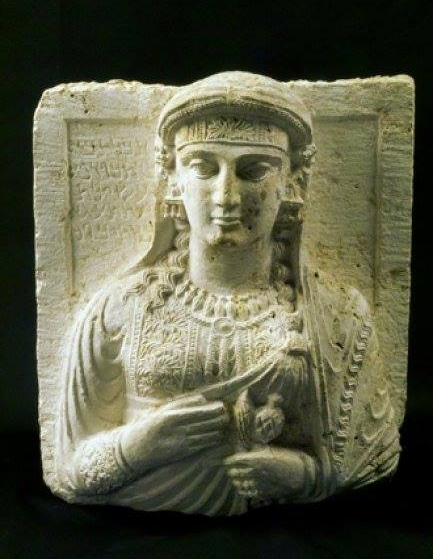
Resurfacing in Venice: The Funerary Relief of a Palmyrene Woman, PAT 1780, Orientalia 87 (2018) 207-220
Eleonora CUSSINI https://www.academia.edu
Arachne DB https://arachne.uni-koeln.de
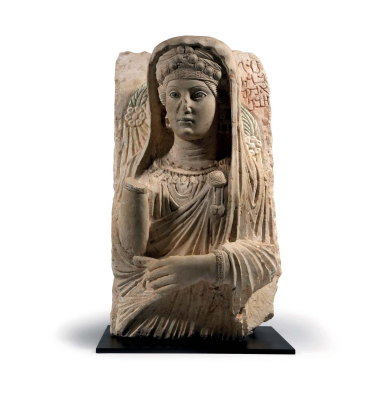
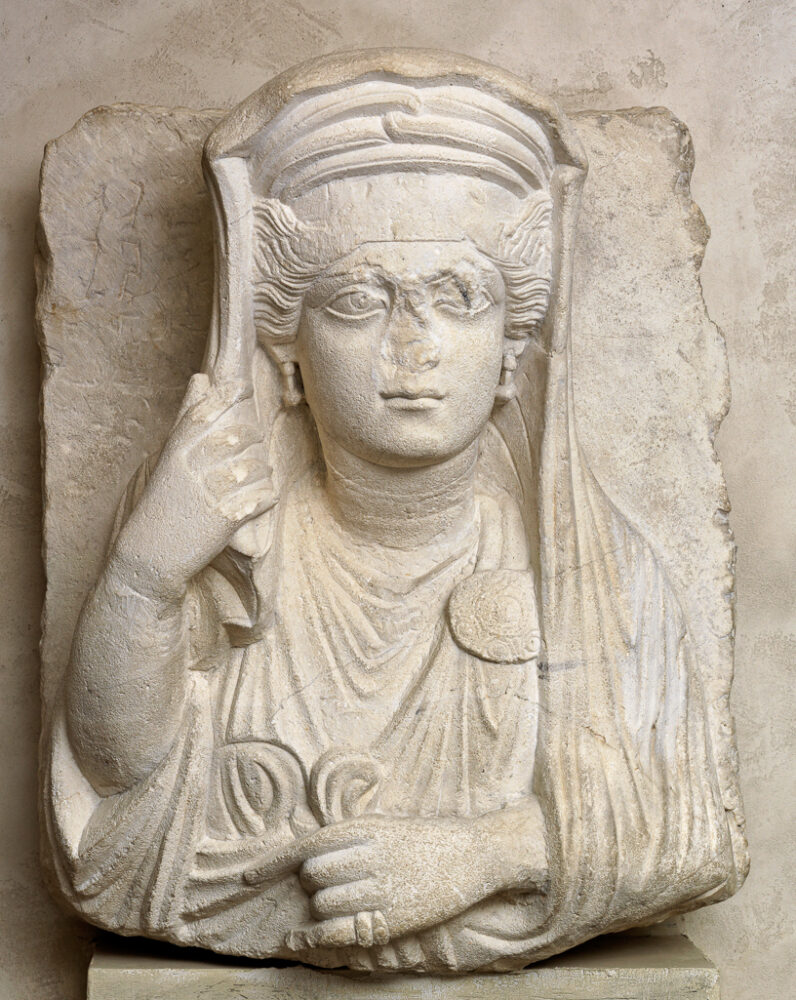
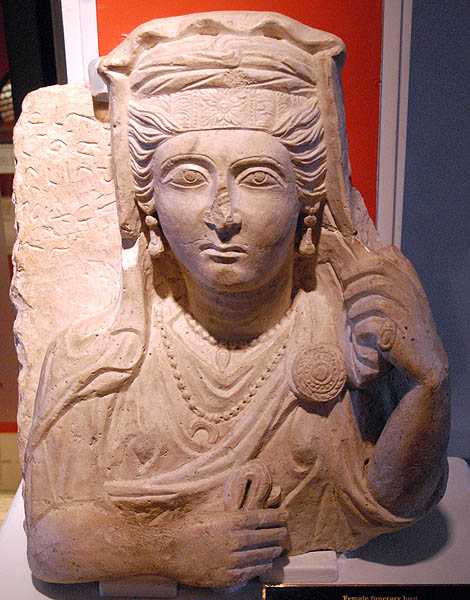
Women wearing a set of jewelry including a bracelet with a little bell.
[read more]
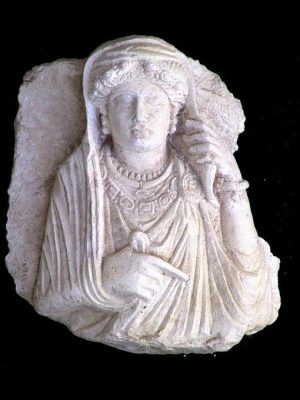
For bells in Palmyra see Dorothy Mackay "Jewellery from Palmyra and its significance", in:
Iraq Vol. 11, No. 2 (Autumn, 1949), pp. 160-187 (40 pages)Published By: British Institute for the Study of Iraq
D. Mackay pp. 174-175
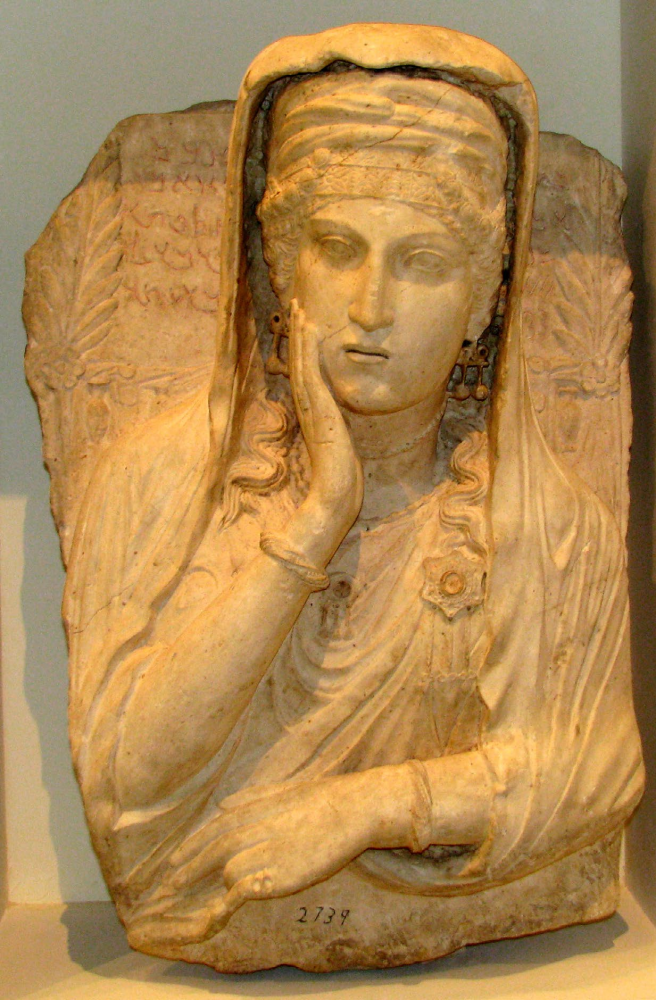
“Other favorite amulets were a small perforated disk and a little bell. One of the latter is seen on a bracelet worn by Marti, daughter of Jarhai [Istanbul, Museum of Antiquities, no 3794].
These bell amulets have been found in considerable numbers in Roman Syria and Palestine, of different sizes and shapes, and apparently all of bronze; some which are cast and of some thickness, are ornamented with bearded faces on opposite sides [they are on exhibition of the American University of Beirut].”
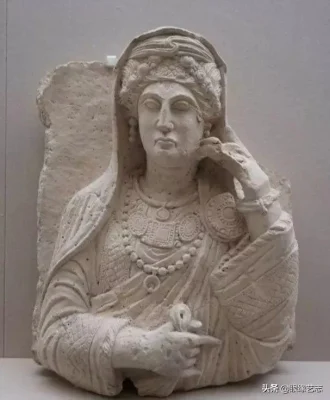
Damascus Museum
[READ MORE]
Women wearing a bonnet
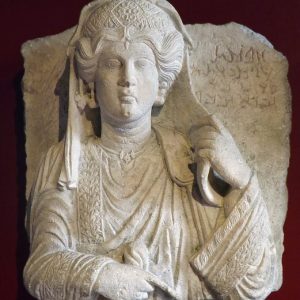
Shalamallat tomb, relief of Rumai, 200-230 CE
[read more]

3rd C
[read more]
Women with veil, without a brooch

Aqmat, the Shalamallat tomb, 2nd C
[read more]
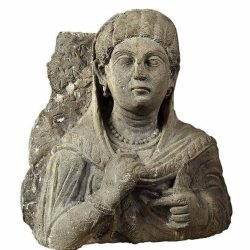


Young women (without a veil and a brooch)
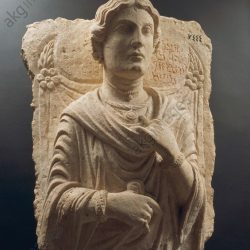
Aliyat, 1st half of 3rd century
[read more]
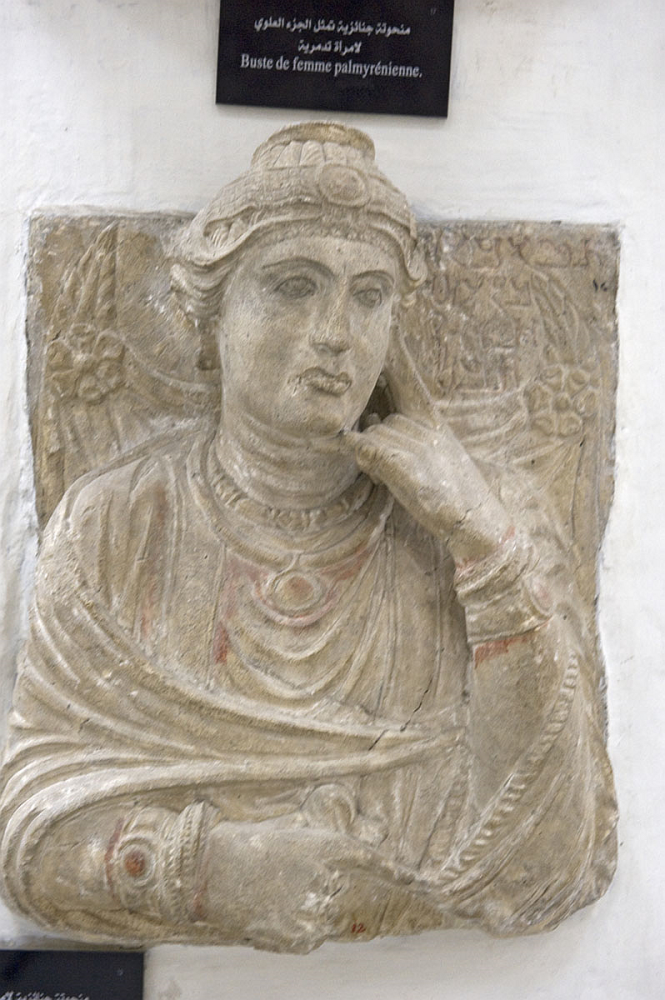
Damascus Museum
read more]
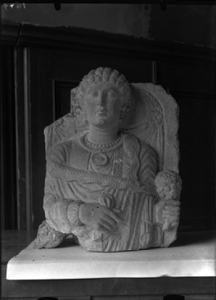
Funerary stele with female bust in front of a veil, Palmyra inscription CIS II, 4059, Strasbourg museum National Library, temple of Bel (Palmyra, Syria);
Photo taken ca 1923
https://medihal.archives-ouvertes.fr
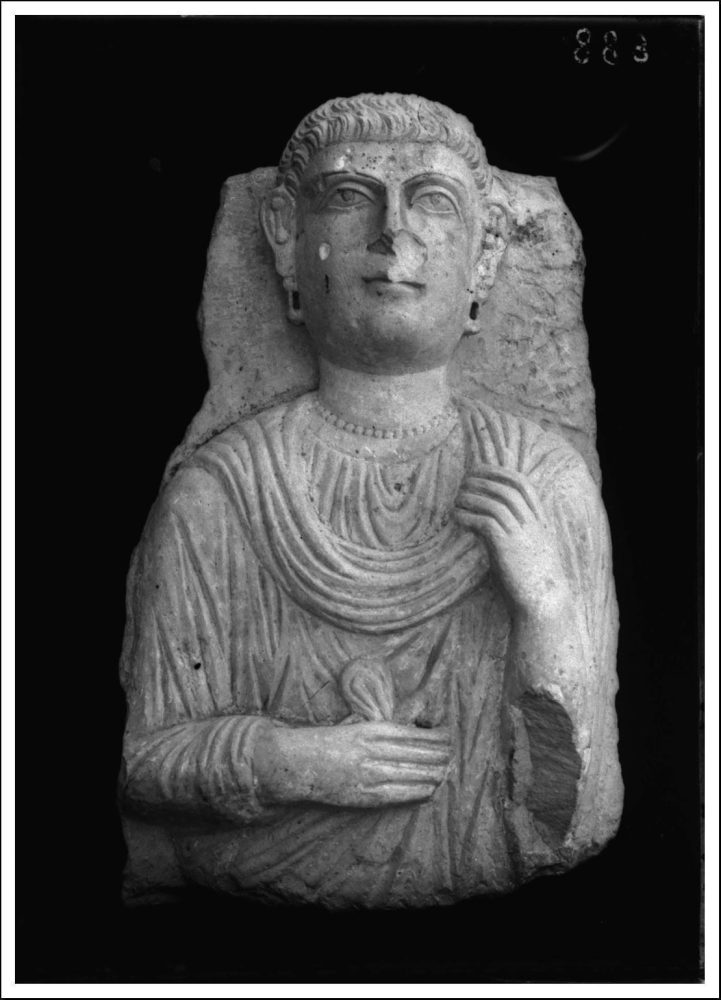
https://media.hal.science/hal-03046989v1
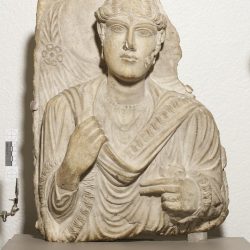
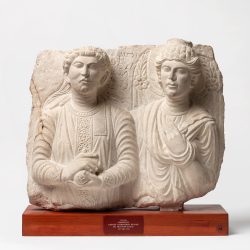
©Ny Carlsberg Glyptotek
230 CE [read more]


Pictures:
1. ©CC BY 2017 – Man Aquileia [source]
2. Photo ©Carole Raddato [wiki]
3. Photo source https://www.friulanagas.it/volti-di-palmira-ad-aquileia/
Palmyra, funerary relief of a woman, 3rd C [Musei Vaticani]
“Funerary bust of a woman from Palmyra, she is holding a writing tablet on her left hand Roman Imperial period, 3rd century, Gregorian Egyptian Museum, Vatican Museums, Rome”
double dumbbell earrings

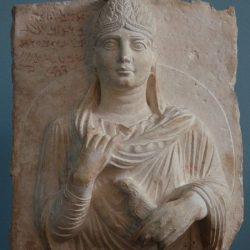
Aha daughter of Zabdilah, 149 CE
[read more]
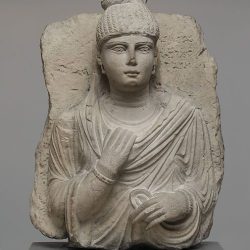
Kaspa, Palmyra 135–150 CE
[read more]
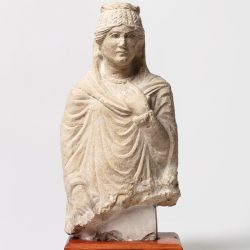
©Ny Carlsberg Glyptotek
unknown woman, 210-230 CE
[read more]

2nd C [read more]
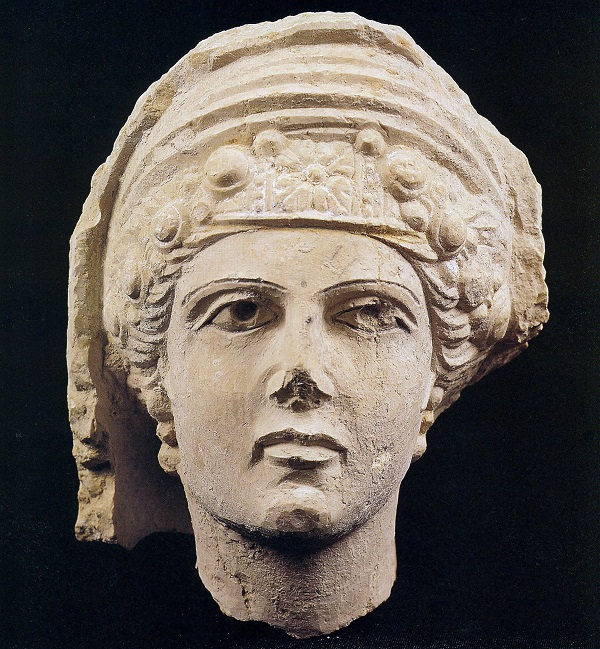
https://www.apan.gr/en/component/k2/item/1591-the-syria-i-loved#prettyPhoto
Photo © Panorama Archive
https://www.facebook.com/syriapouagapisa/photos/2952883504826503
Related posts:
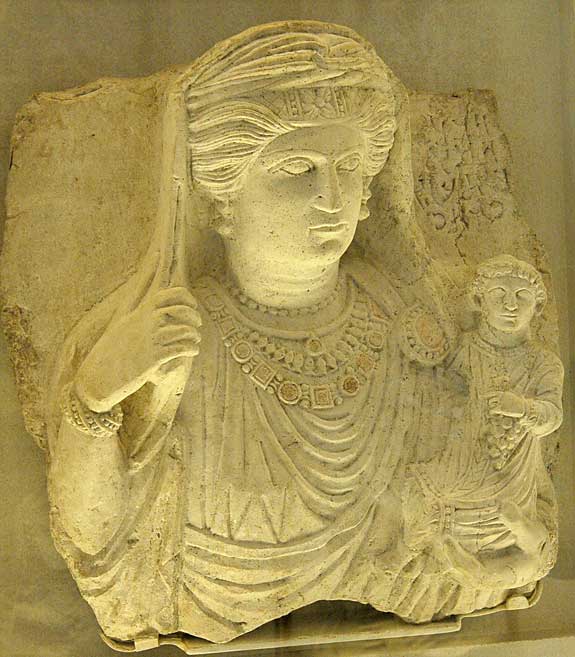 Palmyra reliefs – women with children. Overview
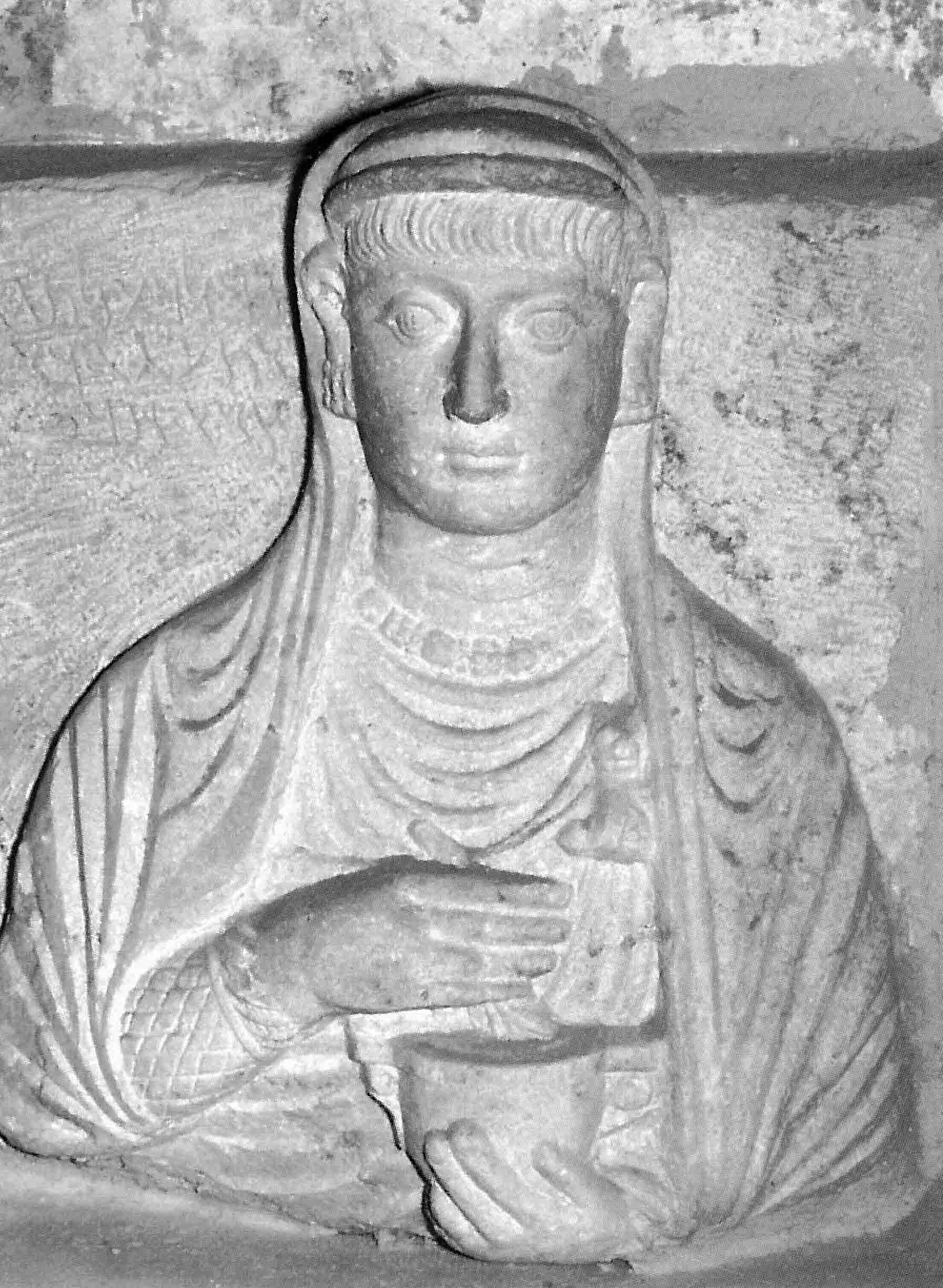 Palmyra women with cups
 Stolen from Palmyra, Syria.
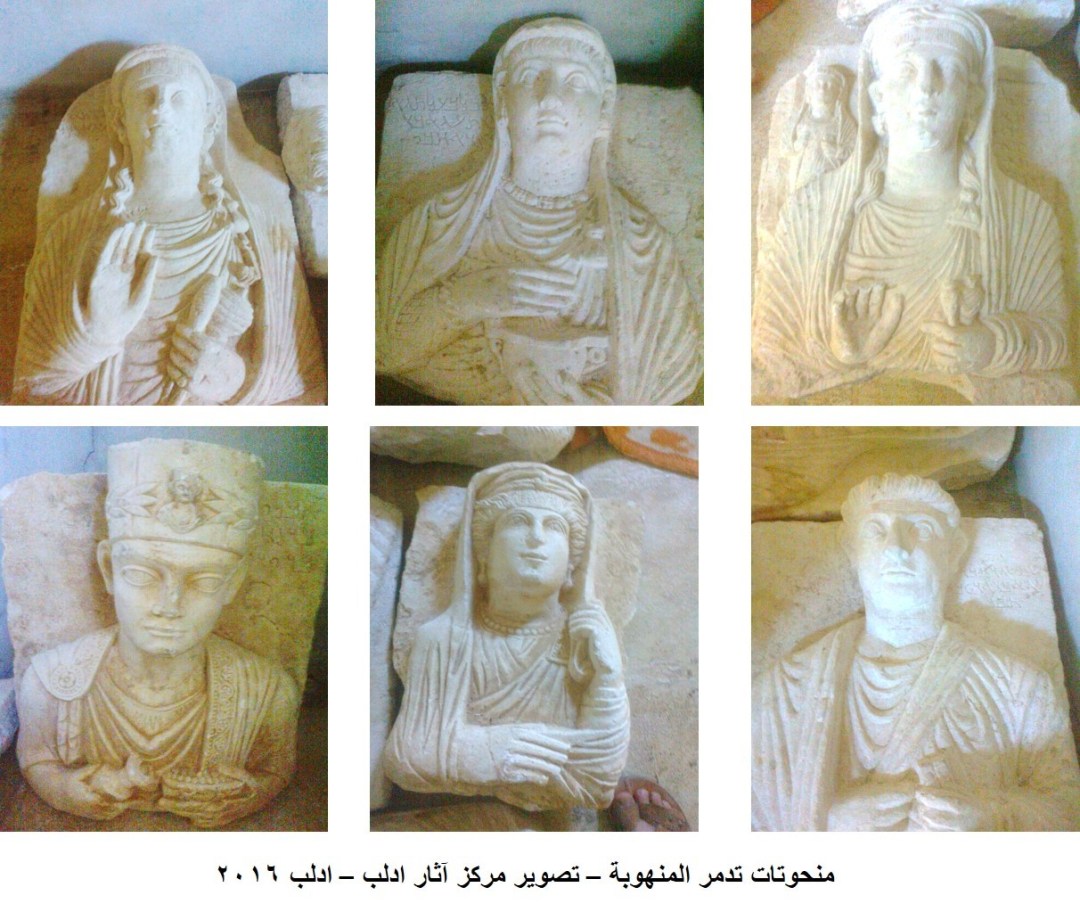 A Report on the Confiscation of Looted Palmyrene Funerary Reliefs in Idlib
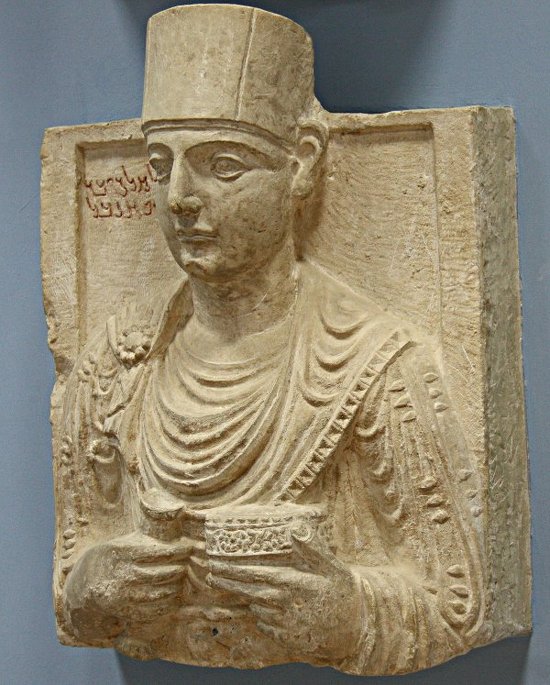 Palmyra priests – decorative attire, wide belt. Overview
Relief of a woman from Palmyra, 2nd century [Damascus Mus.]
Palmyra priests – decorative attire, wide belt. Overview
Relief of a woman from Palmyra, 2nd century [Damascus Mus.]
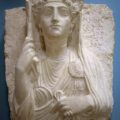 Relief of Amta, Palmyra, hypogeum of Sasan, 2nd century [Palmyra Museum] [d/b]
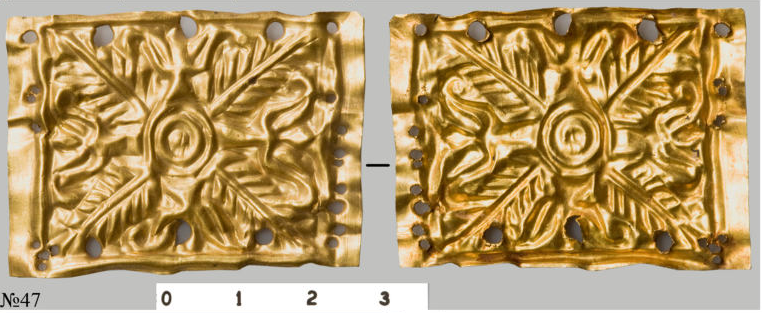 Sewn-on ornaments with geometric patterns
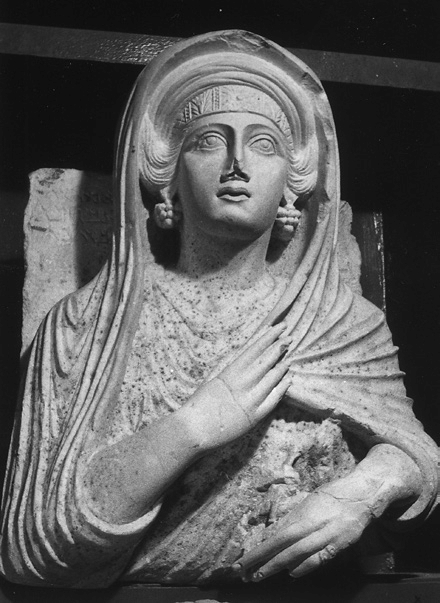 Relief of Aqmat, the Shalamallat tomb, Palmyra, 2nd C [Palmyra Museum] [d/b]
Palmyra, relief of a woman, 2nd/3rd C [Palmyra Museum] [d/b]
Relief of Aqmat, the Shalamallat tomb, Palmyra, 2nd C [Palmyra Museum] [d/b]
Palmyra, relief of a woman, 2nd/3rd C [Palmyra Museum] [d/b]
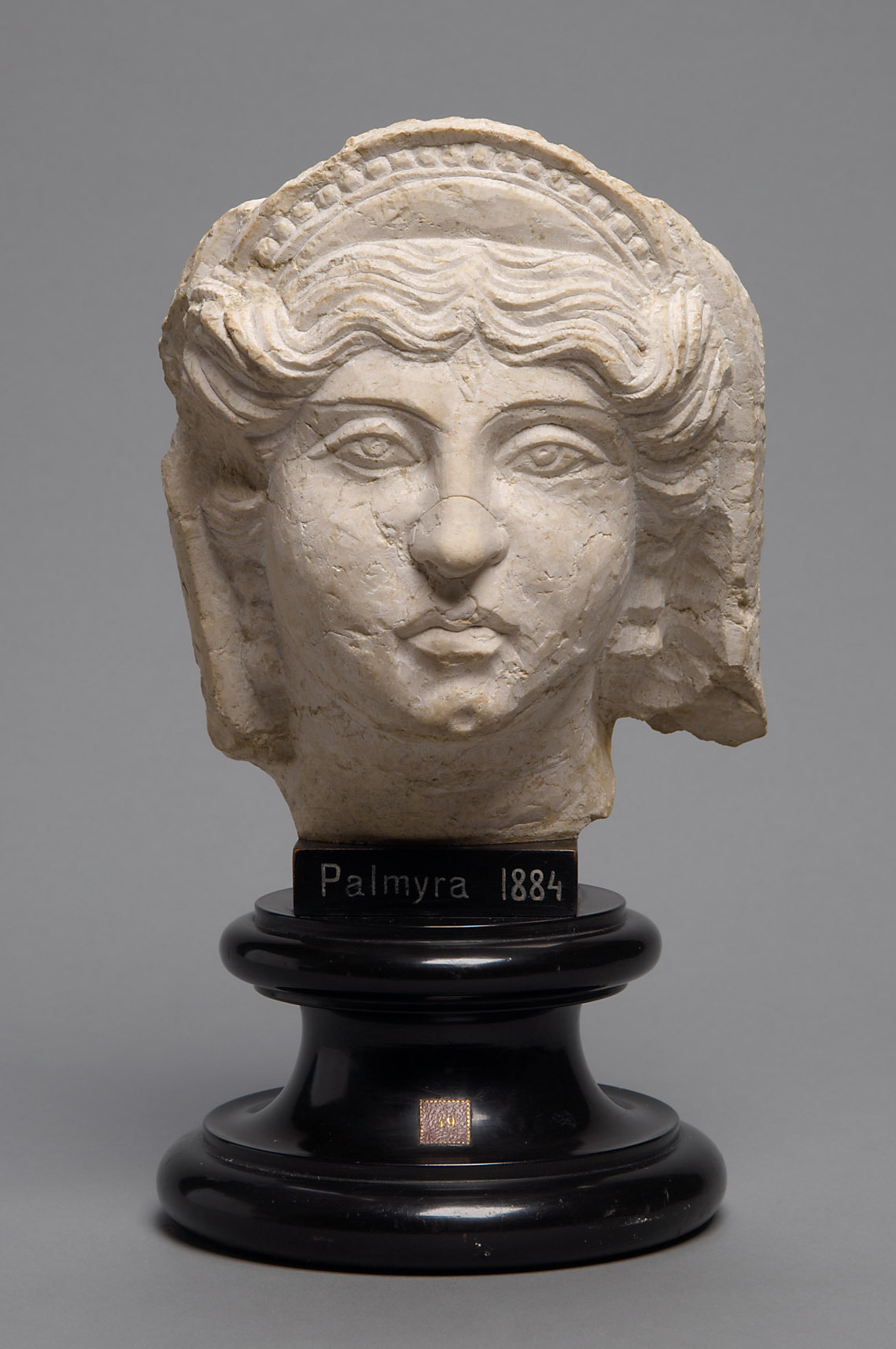 Portrait of a woman wearing a diadem, Palmyra, 3rd century [KHM Wien] [d/b]
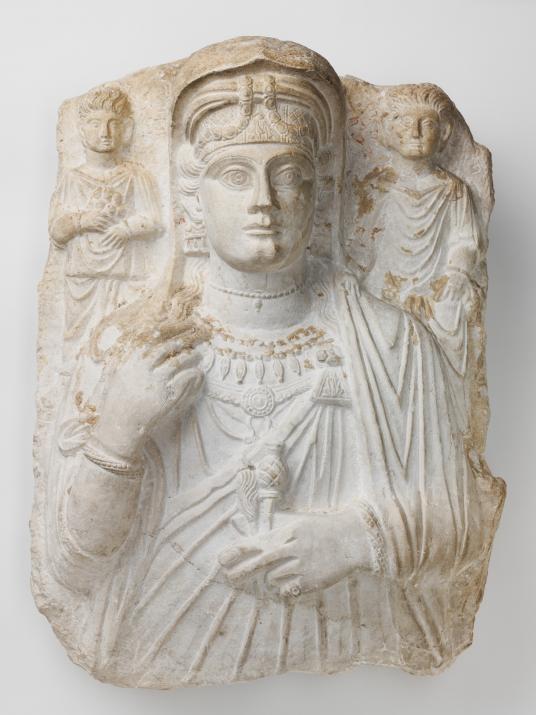 Palmyra, relief of a woman with children, 150-200 CE [Harvard Art Mus.] [d/b]