
After Н.П. Матвеева, А.В. Матвеев, В.А. Зах, 1994
Sargat culture, an archaeological culture from the 7th/6th centuries BCE to the 4th/5th centuries CE in the forest-steppe of the Trans-Urals and Western Siberia (up to the middle reaches of the Om River).
The name was established based on the burial mounds excavated in 1927 by V. P. Levasheva near the village of Sargatka, 100 km north of Omsk. Local groups and 4 stages are distinguished: pre-Sargatian (7th-6th centuries BCE; east of the area), Sargat-Gorokhovo (5th-3rd centuries BCE), Sargatian (4th/3rd centuries BCE – 2nd century CE), late Sargatian (3rd-5th centuries CE).

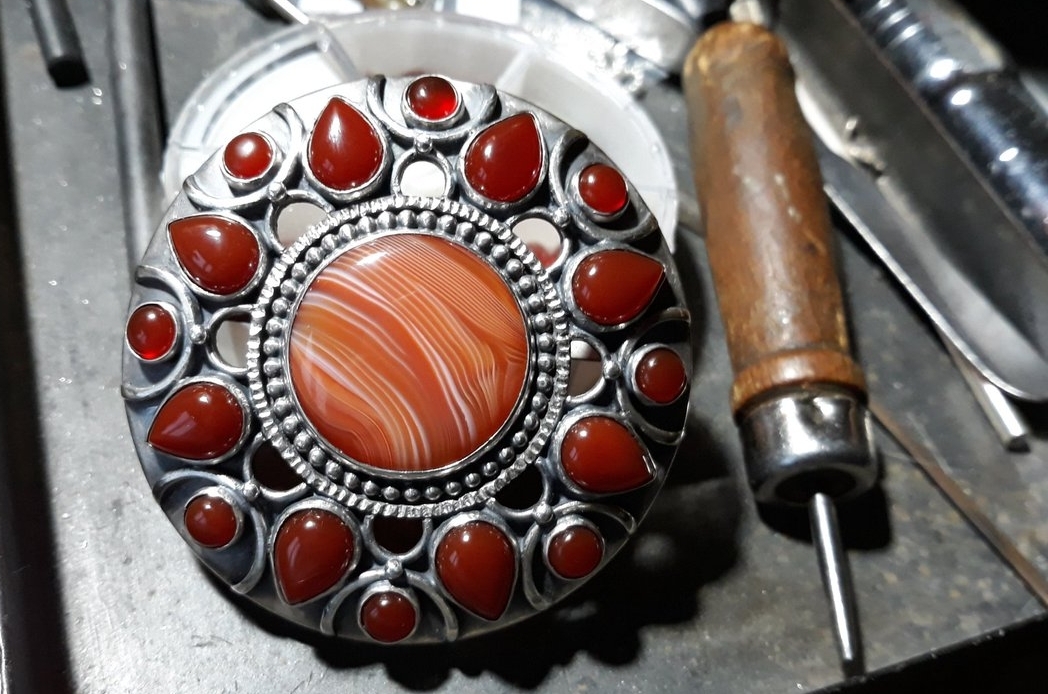
Author of the reconstruction: T.S. Balueva [Т.С. Балуева] https://ethno-photo.livejournal.com/13923.html

Sargatian jewelry, Tyutrino burial ground, Tyumen region, Western Siberia
1, 4 — earring and gold plaques from burial 3, kurgan 10;
2, 3 — earrings and necklace from burial 2, kurgan 2;
1 — earring: gold, carnelian, glass;
2 — necklace, silver with gilding, glass;
3 — pair of star-shaped earrings: gold and glass; 1st-2nd C CE
4 — gold plaques, 1.0 x 0.7 cm

https://old.bigenc.ru/archeology/text/3536415
Pair of silver earrings with gilding from Tyutrino, burial 2 of mound 2; 1st-2nd century CE.
They consist of wire rods 6.8 and 7.2 cm long with a cross-section of 1.5 mm with ends bent into loops, soldered onto them shields decorated with pyramids of granulation and inlaid with inserts of halves of round blue glass [according to the Hermitage inventory of lapis lazuli] beads, and wire ring-shaped pendants with soldered to them pyramids of three balls of granulation, fixed in the lower loops of the rods. The earrings were found on either side of the skull in an unplundered grave, but become somewhat deformed from long-term use. The lower loop of one of them had been broken in ancient times and then repaired rather poorly. Overall, the pieces are rather crudely crafted—the grain beads on the shield and pendant are uneven in size, soldered on carelessly, and the pyramids are asymmetrical.
Earring, gold and carnelian, from the burial 3 of the burial mound 10; 7.5 cm in length. 1st-2nd century
It is a wire rod, both ends of which are bent toward each other and wound around the central part of the rod in a spiral. At the top and bottom of the piece, the winding forms three loops, each of which is attached to a single pendant made of thin gold leaf. The upper pendants are rounded and smooth, reminiscent of leaves, while the lower ones are diamond-shaped with sockets for inlay and pieces of wire soldered to the corners. In the center of the rod is a large carnelian bead with ten facets.
Plaques. More than a dozen plaques made of thin gold leaf were discovered in the Tyutrino burial ground, the purpose of which is difficult to determine with certainty. All items in this category were found in graves disturbed by robbers or rodents. They most likely served as decoration for clothing or headdresses.
Type 1. Rectangular plaques measuring 1.0 x 0.7 cm with a stamped waffle pattern, 11 pieces, come from burial 3 of mound 10 and are dated to the 1st-2nd centuries CE. They have two holes along the edges, punched into already finished products.
Type 2. Hemispherical smooth plaques with a diameter of 0.8 cm with two through holes along the edges; 5 pcs. Found in burial 1 of mound 7, 3rd-2nd centuries BCE.

After Н.П. Матвеева, А.В. Матвеев, В.А. Зах, 1994

After Н.П. Матвеева, А.В. Матвеев, В.А. Зах, 1994

After Н.П. Матвеева, А.В. Матвеев, В.А. Зах, 1994

After Н.П. Матвеева, А.В. Матвеев, В.А. Зах, 1994

3. figurine of Harpocrates made of blue Egyptian faience, Tyutrinsky burial ground, Sargat culture, Early Iron Age;
4. Chinese (Western Han) bronze mirror, Chepkul burial ground 9, Iron Age
Photo >> https://old.bigenc.ru/geography
Analogie z Ermitaża
https://www.hermitagemuseum.org/digital-collection/3476208?lng=ru
http://kronk.spb.ru/img/rudenko-si-1962a-t20.jpg http://kronk.spb.ru/library/rudenko-si-1962a-t.htm
- Корякова Л. Н. Ранний железный век Зауралья и Западной Сибири. Свердловск, 1988; Степная полоса Азиатской части СССР в скифо-сарматское время. М., 1992;
- Матвеева Н. П., Саргатская культура на среднем Тоболе. Новосиб., 1993; она же. Ранний железный век Приишимья. Новосиб., 1994;
- Матвеева Н. П., Социально-экономические структуры населения Западной Сибири в раннем железном веке. Новосиб., 2000; https://www.academia.edu
- А.В. Матвеев [A.V. Matveyev], Н.П. Матвеева [N. P. Matveyeva] Ювелирные изделия Тютринского могильника (к проблеме Сибирской коллекции Петра I) // Антропоморфные изображения. / Первобытное искусство. Новосибирск: 1987. С. 191-201. http://kronk.spb.ru/library/matveev-matveeva-1987.htm
- Н.П. Матвеева, А.В. Матвеев, В.А. Зах, 1994, АРХЕОЛОГИЧЕСКИЕ ПУТЕШЕСТВИЯ ПО ТЮМЕНИ И ЕЕ ОКРЕСТНОСТЯМ https://ipos-tmn.ru/wp-content/uploads/2015/10/319.pdf
- А.В. Матвеев [A.V. Matveyev], Древнее золото «60-й параллели». // «Природа». 1991. №9. С. 35-41. http://kronk.spb.ru/library/12-16243.htm
- Матющенко В. И., Татаурова Л. В., Могильник Сидоровка в Омском Прииртышье. Новосиб., 1997;
- Багашев А. Н. Палеоантропология Западной Сибири. Новосиб., 2000. https://www.researchgate.net/publication/341616234_Bagasev_AN_Antropologia_Zapadnoj_Sibiri
- Svetlana Sharapova – Beyond the Silk Road: cultural identity of the Iron Age forest-steppe population https://www.academia.edu/8210357/Serica_Da_Qin_Studies_in_Archaeology_Philology_and_History_of_Sino_Western_Relations
Related posts:
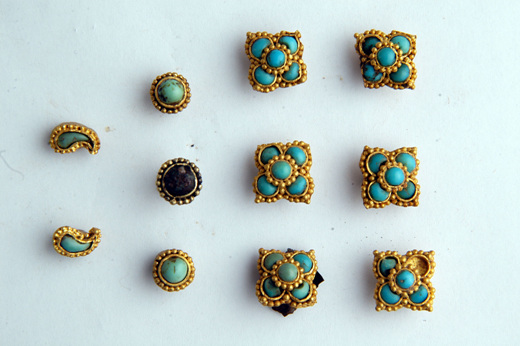 Gold and turquoise small ornaments from Mongolia and the comparanda.
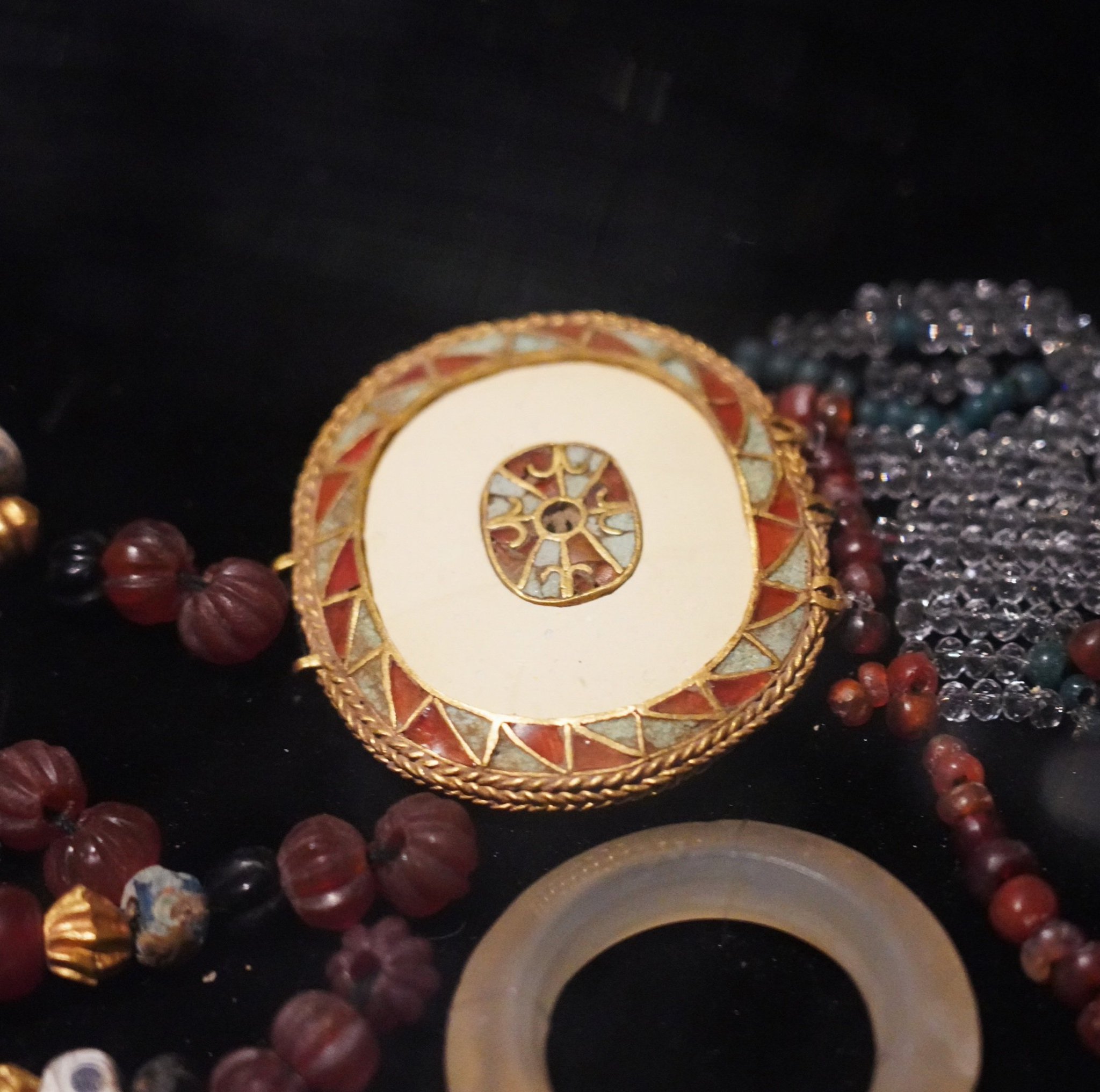 Jewelry from a burial at Majiayuan [Tomb M18], Gansu, China. The Warring States Period (480 – 221 BCE)
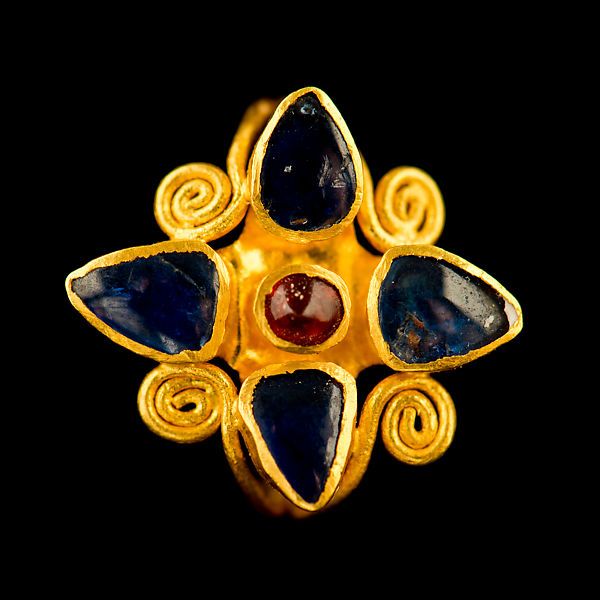 Vallerano necropolis, 2nd-3rd century
 Glass inlaid plaques from the Nanyue King burial. Western Han Dynasty, 202 BCE – 8 CE
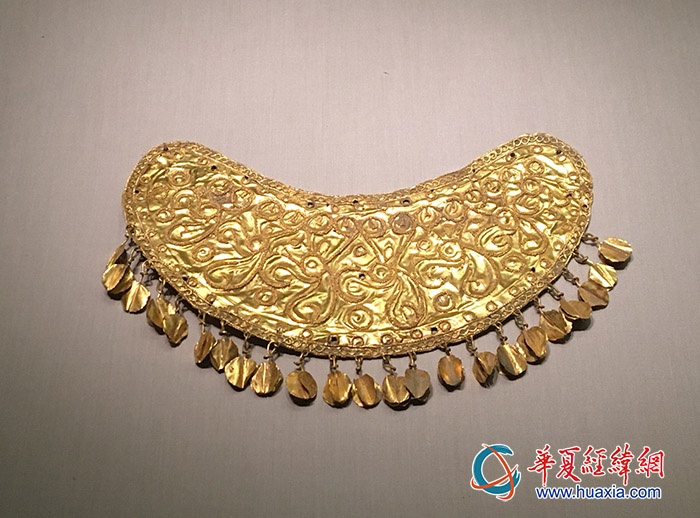 Pectoral, Eastern Han Dynasty (25-220 CE) [d/b]
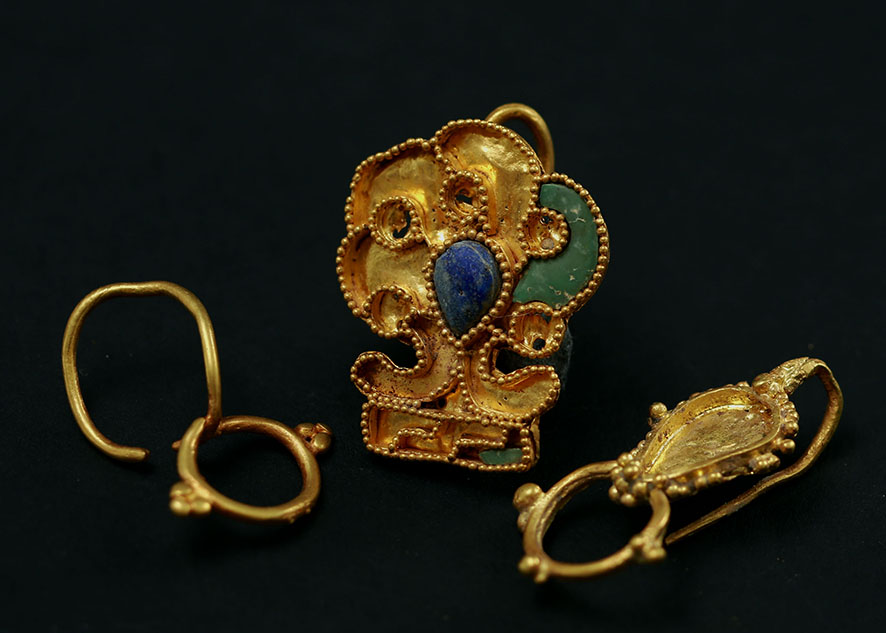 Xiongnu earrings from the TUH [Tamirin ulaan hushuu] cemetery, Mongolia
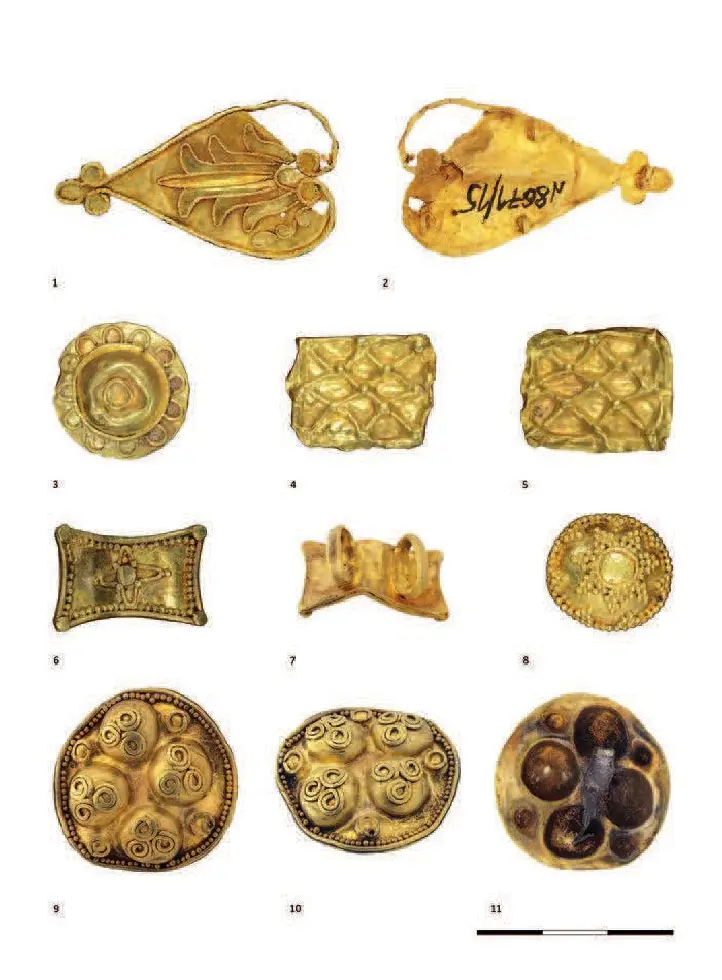 Hellenistic jewelry found in Western Kazakhstan
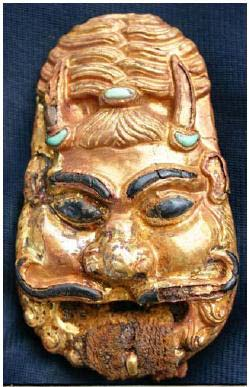 Gilded mask-shaped buckle with turquoise inlays; Tsaraam cemetery in Buryatia, Xiongnu Royal burial [d/b]
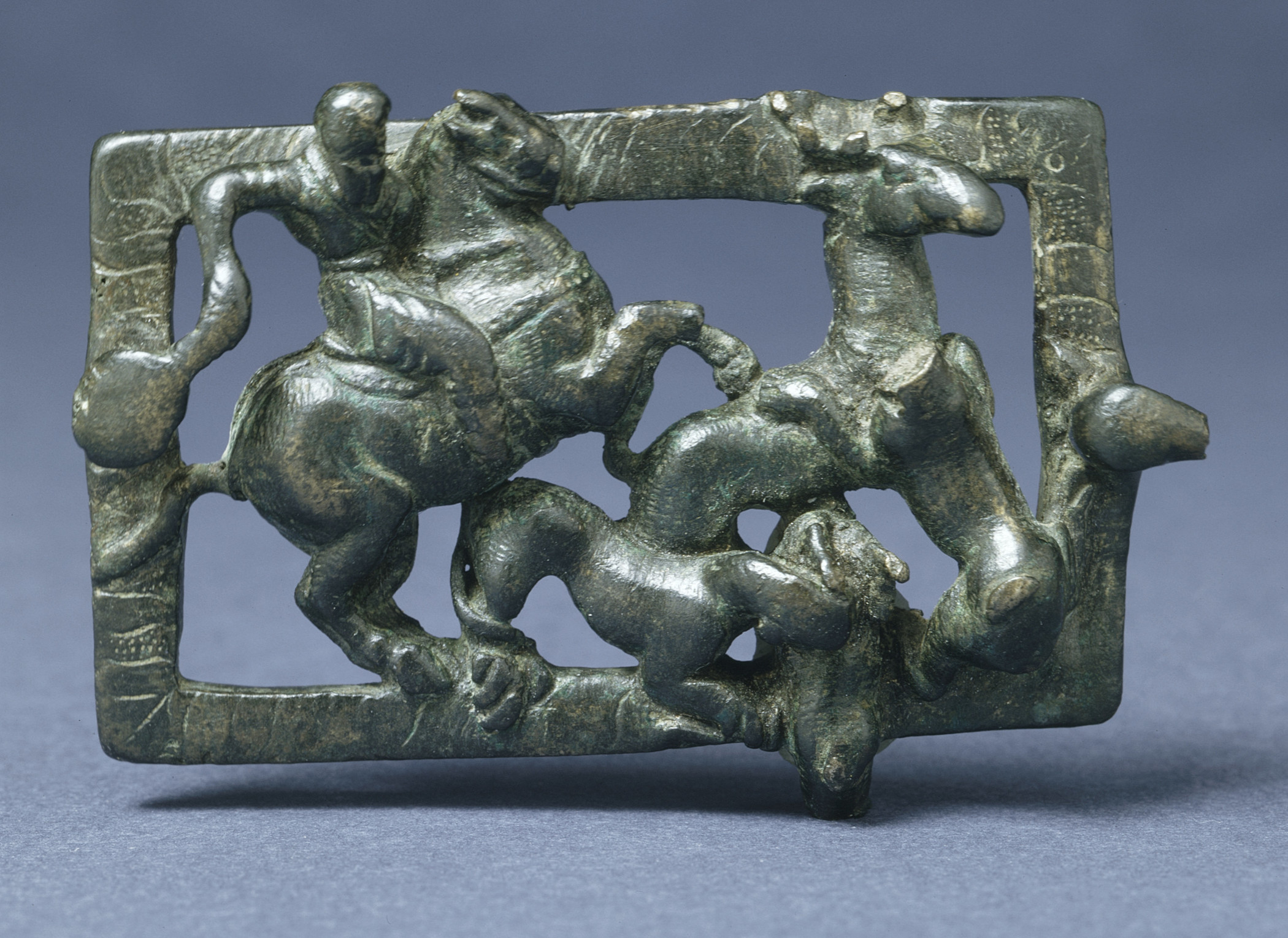 Belt buckles in high relief – notes
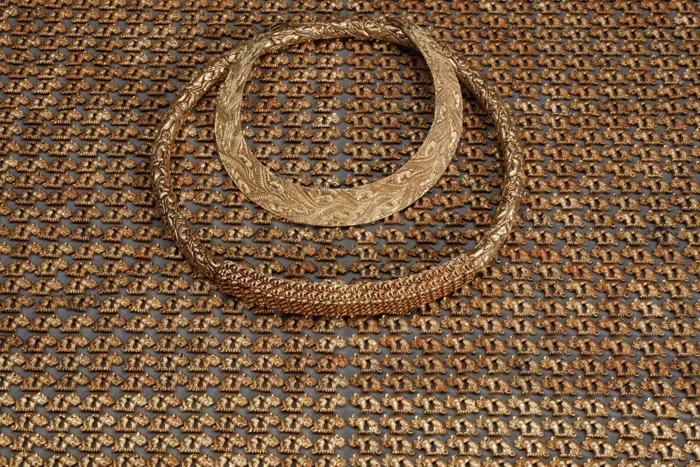 Tuva burials
 Belt buckles, plaques and ornaments with camels
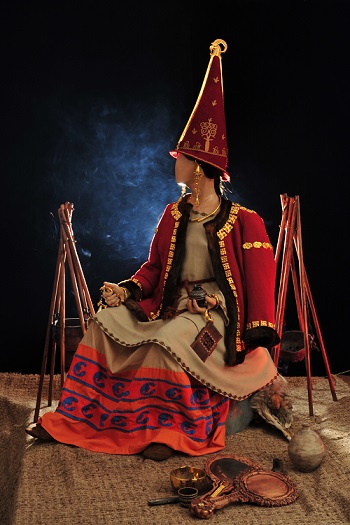 The “Golden Woman” of Kazakhstan, 6th-5th century BCE